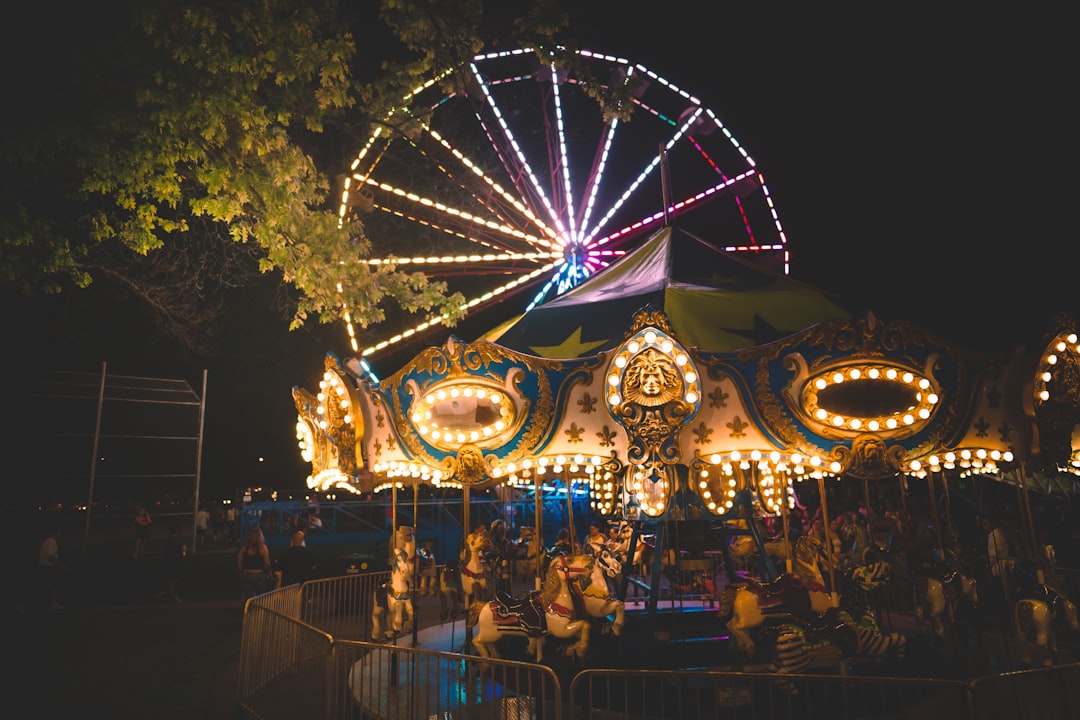
Local festivals play a vital role in encouraging community spirit and cultural celebration. They serve as vibrant platforms where individuals come together, share experiences, and create lasting memories. According to a study by the National Endowment for the Arts, local festivals significantly enhance community engagement, with nearly 75% of attendees reporting a stronger sense of belonging to their communities following participation in such events. This local festivals guide aims to provide comprehensive information about various festivals, helping individuals navigate their attendance with ease.
Searching for information on local festivals can often feel overwhelming. With a many of options available, it’s common for festival-goers to encounter confusion about which events to attend, when to visit, and how to make the most of their experiences. This guide recognizes those challenges and aims to simplify the process, offering unique insights that go beyond the basics. By presenting a wealth of information, it seeks to empower readers to fully engage with their local celebration scene.
Expect detailed coverage of different types of festivals, including music, food, and arts, along with practical tips for attending. Readers will also discover hidden gems that many guides overlook, ensuring that no opportunity for enjoyment is missed. The information provided will be actionable, allowing festival-goers to plan their visits effectively and immerse themselves in the cultural significance of these events.
By the end of this guide, readers will have a clear understanding of how to choose the right festivals to attend, navigate local transportation options, and maximize their festival experiences. This content will offer far more than just a list of events; it will serve as a roadmap for participants, enhancing their enjoyment and connection to the community. With this in mind, let’s explore the rich tapestry of local festivals and what makes each event special.
Types of Local Festivals
Local festivals can be categorized into various types, each offering unique experiences and drawing different audiences. Understanding these categories helps festival-goers choose events that align with their interests. Typically, festivals fall into a few main categories: music festivals, food festivals, arts festivals, cultural festivals, and seasonal celebrations.
Music Festivals
Music festivals are among the most popular types of local festivals. They often feature a lineup of local and national artists, covering genres from rock and pop to jazz and folk. For example, the Coachella Valley Music and Arts Festival showcases emerging artists and well-known performers alike, attracting attendees from all over the world. These events not only offer entertainment but also encourage community through shared musical experiences.
Food Festivals
Food festivals celebrate local cuisine and culinary traditions. These events often feature food vendors, cooking demonstrations, and tastings. A notable example is the National Cherry Blossom Festival in Washington, D.C., which highlights local cherry blossom-themed food and beverages. Such festivals can significantly boost local tourism and provide a platform for local chefs and food artisans.
Arts Festivals
Arts festivals focus on visual and performing arts, showcasing the work of local artists, craftsmen, and performers. Events like the Art Basel provide opportunities for local artists to display their creations, while also involving community members through workshops and interactive installations. These festivals help promote local culture and heritage by offering a space for expression and creativity.
Cultural Festivals
Cultural festivals often celebrate the customs and traditions of specific communities or ethnic groups. They provide insight into the history and values of the cultures represented, offering visitors a chance to engage with diverse perspectives. The National Geographic highlights the importance of such festivals in maintaining cultural heritage and encouraging understanding among different groups.
Seasonal Celebrations
Seasonal celebrations align with holidays or specific times of the year, such as harvest festivals or winter holiday markets. These events often include traditional activities, local crafts, and seasonal foods. For instance, the American Greetings website discusses how these celebrations help communities come together and reinforce social bonds through shared traditions.
Understanding the types of local festivals allows attendees to choose events that resonate with their interests and values. It also highlights the diverse experiences available in different communities. Each festival type not only entertains but serves a greater purpose in enhancing community bonds, promoting local culture, and supporting economic growth. As festival-goers explore these events, they can engage more deeply with the traditions and celebrations that define their communities.
Planning Your Visit
Effective planning can significantly enhance the festival experience. Knowing what to expect and how to navigate the logistics of attending a festival ensures a more enjoyable visit. Here are several key considerations to keep in mind when preparing for a local festival.
Transportation Options
Transportation is a crucial aspect of festival planning. Many local festivals offer various options for attendees, including public transit, ridesharing, and parking facilities. For instance, the U.S. Department of Transportation provides resources on public transportation availability in urban areas, which can help festival-goers avoid congestion and parking hassles. When possible, attendees should consider carpooling or using rideshare services to reduce the number of vehicles on the road.
Accommodation Choices
Finding suitable accommodation is another essential factor. Festival-goers should consider booking accommodations well in advance, particularly for popular events. Options may include hotels, motels, and short-term rentals like Airbnb. The Airbnb platform offers a wide range of localized stays that can enhance the festival experience by placing attendees closer to the action. Additionally, some festivals may offer discounted rates for festival-goers at partnered hotels.
What to Pack
Attendees should prepare for various conditions by packing appropriately. Essentials might include comfortable clothing, weather-appropriate gear, portable phone chargers, and festival-specific items like reusable water bottles or blankets for seating. A checklist can help ensure that all necessary items are included. According to the Federal Emergency Management Agency (FEMA), being prepared for emergencies—such as sudden weather changes or health issues—is critical for a smooth experience.
Timing Your Visit
Understanding the festival schedule is vital. Many festivals provide detailed timetables for performances, activities, and special events. Attendees should familiarize themselves with these schedules to prioritize must-see activities. Arriving early can also help avoid crowds and secure a better spot for performances or activities. Using festival apps or websites can provide real-time updates on scheduling changes, enhancing the overall experience.
By planning ahead, festival-goers can maximize their enjoyment and minimize stress. With careful consideration of transportation, accommodation, what to pack, and timing, attendees can engage fully with the festival atmosphere and make the most of their local celebrations. These strategies not only enhance individual experiences but also contribute to the overall success of the event, ensuring that everyone involved enjoys a memorable time.
Local Insights and Hidden Gems
Every local festival has its unique stories and traditions that enrich the overall experience. Understanding these local insights can enhance attendance and deepen appreciation for the cultural significance of the events. Here are some key aspects to consider when exploring local festivals.
Community Involvement
Local festivals often rely on community participation, from volunteers to performers. Engaging with community members can provide attendees with a more immersive experience. For example, many festivals invite local artists to showcase their work, while also including community members in organizing and executing festival activities. The National Association of State Arts Agencies highlights how local involvement enhances the authenticity and spirit of festivals.
Traditional Activities
Many festivals incorporate traditional activities that reflect the culture and history of the community. These might include dance performances, craft demonstrations, or culinary showcases. For instance, the Smithsonian Folklife Festival emphasizes the importance of cultural expressions through traditional art forms, enabling attendees to gain insights into the community’s heritage.
Spotlight on Lesser-Known Festivals
While larger festivals often get most of the attention, there are many lesser-known events that offer unique experiences and insights. These smaller festivals may focus on specific themes or local traditions, providing attendees with a chance to connect with the community in an intimate setting. For example, the Local Festivals Network lists many hidden gem festivals that celebrate niche interests, from specific cultural heritage to unique local foods.
Behind-the-Scenes Stories
Learning about the behind-the-scenes efforts involved in organizing a festival can also enrich the experience. Many organizers are passionate about their communities and work tirelessly to create memorable events. Engaging with organizers or reading about their experiences can provide valuable context for the festival. The Eventbrite Blog often features stories from festival organizers, showcasing the challenges and triumphs faced in putting together these intricate events.
By immersing themselves in local insights and uncovering hidden gems, festival-goers can enhance their overall experience and deepen their connections to the community. These elements contribute significantly to the cultural significance of local festivals, making them not just events to attend but celebrations of community spirit and heritage.
Understanding the Economic Impact of Local Festivals
Local festivals can significantly influence the economy of a region, contributing to both direct and indirect economic activities. The economic impact can be analyzed through various lenses, including tourism, local business support, and community investments. Understanding these interconnected factors is crucial for appreciating the true value of these events.
Direct Economic Contributions
Local festivals typically draw large crowds, which increases revenue for nearby businesses. According to a study by the National Association of Towns, towns hosting festivals can see a revenue increase of 30-50% in local businesses during festival weekends. This boost comes from increased sales in restaurants, hotels, and retail stores as festival-goers seek accommodations, meals, and souvenirs.
Tourism Development
Festivals also play a pivotal role in attracting tourists. Many regions use festivals as a marketing tool to highlight their unique culture and heritage. For instance, the American Festivals Project reports that festivals centered around local cuisine or arts can increase overnight stays and extend the tourist season. This influx not only benefits local businesses but also creates jobs, from event staffing to hospitality roles.
Community Investments
local governments often invest in festivals as a strategy for community development. Festivals can encourage a sense of community pride and encourage civic engagement. A report from the National Endowment for the Arts highlights that cities that invest in cultural events often see an increase in community involvement and volunteerism, leading to enhanced social cohesion. This investment can create a virtuous cycle where successful festivals lead to more funding for future events.
Evaluating the Economic Impact
While the economic benefits of local festivals are evident, it’s essential to evaluate their impact critically. Not all festivals yield the same economic returns, and the sustainability of these festivals can vary. Factors such as the size of the festival, duration, and the demographic of attendees can significantly affect outcomes. Researchers suggest using metrics such as return on investment (ROI) and community feedback to assess the effectiveness of these events. To support this evaluation, tools like the Event Impact Calculator can provide valuable insights into the economic contributions of events.
Accessibility and Inclusivity at Local Festivals
Ensuring accessibility at local festivals is critical to encouraging an inclusive environment where all community members can participate. However, many festivals overlook this aspect, which can lead to significant barriers for individuals with disabilities or special needs. Addressing these challenges involves understanding how to implement effective strategies for inclusivity.
Implementing Accessibility Standards
One of the first steps in enhancing accessibility is adhering to established guidelines, such as the Americans with Disabilities Act (ADA). This legislation outlines necessary accommodations that festivals must consider, such as wheelchair access, accessible restrooms, and designated seating areas for individuals with mobility impairments. Additionally, incorporating sensory-friendly spaces can benefit attendees with sensory processing disorders or autism spectrum disorders.
Engaging the Community for Insights
Involving community members in the planning process can yield valuable insights into specific accessibility needs. By hosting forums or surveys before the event, organizers can gather feedback that directly informs their planning. The Accessible Festivals organization provides resources and best practices for engaging with disabled attendees to ensure their needs are met comprehensively.
Assessing Accessibility Features
Festival organizers should conduct accessibility audits to evaluate the effectiveness of their accommodations. This process might involve testing transportation options, signage, and seating arrangements to identify potential barriers. Tools like the Festival Surveys platform can help gather data on attendee experiences related to accessibility, enabling organizers to make data-driven improvements.
Building a Culture of Inclusivity
Ultimately, encouraging a culture of inclusivity requires ongoing commitment beyond just physical accommodations. Organizers should educate staff and volunteers on disability awareness and sensitivity to create a welcoming atmosphere. Partnerships with local disability advocacy groups can also enhance inclusivity efforts, ensuring that local festivals cater to all members of the community, which in turn enriches the festival experience for everyone involved.
Innovative Marketing Strategies for Local Festivals
Effective marketing strategies can significantly enhance the visibility and success of local festivals. With the rise of digital platforms, festival organizers have access to innovative tools that can help them reach broader audiences. Understanding these strategies is essential for maximizing attendance and engagement.
Using Social Media for Engagement
Social media platforms serve as powerful tools for promoting festivals and engaging with potential attendees. According to research from Social Media Examiner, 79% of people say user-generated content highly impacts their purchasing decisions. Festivals can encourage attendees to share their experiences through hashtags, photo contests, or live updates during the event. This not only increases visibility but also builds a community around the festival.
Collaborating with Influencers
Engaging local influencers can also enhance promotional efforts. By partnering with individuals who have a strong local following, festivals can tap into new audiences. Influencers can provide authentic content that resonates with their followers, making them more likely to attend. A case study from the Eventbrite Blog illustrates how a local food festival successfully collaborated with food bloggers to expand their reach, resulting in a 40% increase in ticket sales.
Email Marketing Campaigns
Implementing targeted email marketing campaigns can further drive attendance. By segmenting email lists based on past attendance or interests, organizers can tailor messages that resonate with specific groups. Offering early bird discounts or exclusive content can incentivize ticket purchases. Research indicates that email marketing remains one of the most effective channels for event promotion, yielding an average return of $42 for every dollar spent.
Using Data Analytics for Optimization
Finally, using data analytics can help organizers assess the effectiveness of their marketing strategies. By tracking website traffic, social media engagement, and ticket sales, organizers can make informed decisions about future campaigns. Platforms like Google Analytics provide valuable insights into audience behavior, helping to optimize marketing efforts and enhance the overall festival experience.
Emerging Trends in Festival Experiences
As society evolves, so do the expectations and experiences surrounding local festivals. One notable trend is the shift towards sustainability. Attendees are increasingly prioritizing eco-friendly practices, prompting organizers to adopt greener approaches. This includes reducing waste, using biodegradable materials, and promoting local food vendors to minimize carbon footprints. A report from Sustainable Festivals highlights that over 60% of festival-goers now prefer events that implement sustainable practices.
The Rise of Hybrid Festivals
The COVID-19 pandemic accelerated the acceptance of hybrid festivals, combining in-person and virtual elements. This model caters to a wider audience, allowing those unable to attend physically to participate online. By doing so, festivals can expand their reach and engagement. For instance, the Virtual Festivals Initiative reported a 40% increase in participant numbers when hybrid options were offered. This approach not only preserves the festival spirit but also introduces innovative technology to enhance attendee interaction.
Experiential Marketing at Festivals
Another trend gaining traction is experiential marketing, where brands create immersive experiences that resonate with festival-goers. This strategy allows brands to engage directly with their audience in memorable ways. For example, the Brand Experiences Conference illustrated how brands can set up interactive booths that encourage participation, such as DIY craft stations or live performances. This not only promotes brand loyalty but also enhances the overall festival experience for attendees, creating lasting memories.
Framework for Evaluating Festival Success
To ensure the sustainability and growth of local festivals, a comprehensive evaluation framework is necessary. This framework can help organizers assess various dimensions of festival performance, from attendee satisfaction to economic impact. By employing a systematic approach, organizers can identify strengths and areas for improvement, leading to better planning in future events.
Key Performance Indicators (KPIs)
Organizers should establish clear KPIs to measure success. These can include attendance numbers, revenue generated, social media engagement, and attendee satisfaction rates. Surveys conducted post-festival can provide valuable feedback from participants, helping to gauge their experiences. For example, a festival in California implemented a post-event survey that revealed that 85% of attendees were satisfied, with many expressing interest in attending future events. This data can guide organizers in enhancing elements that resonate with attendees.
Community Feedback and Involvement
Involving the community in the evaluation process is crucial. Organizers can create advisory boards composed of local residents, business owners, and festival-goers to gather diverse perspectives. This engagement fosters a sense of ownership among community members and encourages them to contribute ideas for future festivals. A study from the Community Engagement Network highlights that community-involved festivals tend to have higher success rates, driven by collective investment in the event’s success.
Data-Driven Decision Making
Finally, using data analytics can enhance decision-making processes. By analyzing attendance patterns, spending behaviors, and social media trends, organizers can make informed choices about programming, marketing strategies, and logistics. Tools such as Tableau provide visualizations that help interpret complex data, allowing for more strategic planning. This approach not only improves festival outcomes but also ensures that local festivals remain relevant and engaging for future generations.
