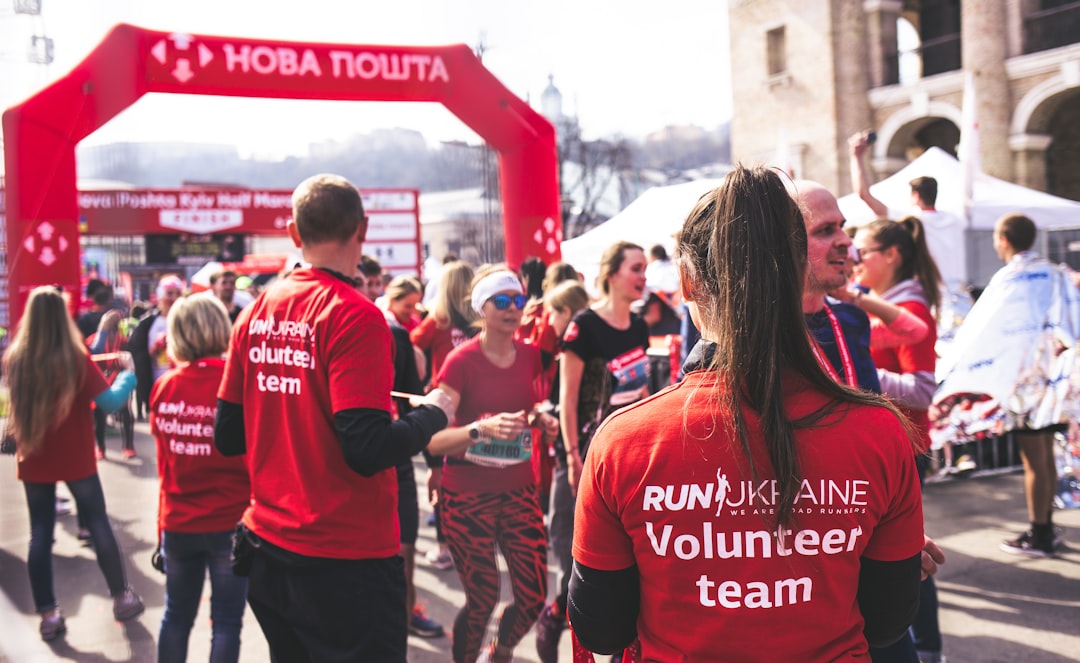
Local volunteer opportunities play a crucial role in strengthening community bonds and enhancing individual well-being. Research indicates that more than 77 million Americans engage in volunteer work each year, contributing to over $193 billion in economic value to their communities (Independent Sector). This statistic illustrates not only the magnitude of volunteerism but also its transformative impact on both volunteers and the organizations they support.
Yet, amidst the many of options available, many individuals feel overwhelmed when trying to identify the right opportunities that align with their skills and passions. This confusion can lead to frustration, as potential volunteers search for meaningful ways to contribute but struggle to navigate the many of local charities and programs available. This guide aims to demystify the process of finding local volunteer opportunities, providing clarity and direction for those eager to make a difference.
Readers will discover a comprehensive exploration of various types of volunteer opportunities, insights into the benefits of giving back, and practical steps to get involved. With expert guidance and a focus on personalized matching, this article will equip individuals with the knowledge needed to begin a fulfilling volunteer journey. The insights provided will not only help individuals find their ideal opportunities but also encourage personal growth and community engagement.
Types of Local Volunteer Opportunities
Local volunteer opportunities come in various forms, catering to different skills and interests. Understanding these types can help individuals find the right fit for their passions and expertise. Common categories include:
- Non-Profit Organizations: These groups often require volunteers for various functions, from administrative support to direct service roles.
- Environmental Volunteering: Activities like park clean-ups, tree planting, and wildlife conservation projects allow volunteers to engage with nature and promote sustainability.
- Mentorship Programs: Many organizations seek volunteers to mentor youth, sharing valuable life skills and encouraging personal development.
- Health Services: Hospitals and clinics often rely on volunteers for patient support, administrative help, and outreach services.
- Community Events: Local festivals, fairs, and fundraising events frequently need volunteers for setup, operations, and engagement.
These opportunities not only serve communities but also empower volunteers to apply their skills in meaningful ways. For instance, individuals with a background in finance might assist non-profits with budgeting, while those skilled in teaching could support after-school programs. This alignment between personal skills and community needs enhances the overall volunteer experience.
Volunteering can lead to skill development. According to CNBC, 73% of volunteers reported gaining new skills that improved their employability. This statistic underscores the dual benefit of volunteering: contributing to the community while enhancing personal growth.
Engaging with local charities not only fulfills a community need but also provides a sense of purpose and connection. As individuals explore these opportunities, they can often find roles that resonate with their personal values and professional aspirations.
Benefits of Volunteering
Volunteering offers numerous benefits that extend beyond the immediate impact on the community. Here are some key advantages:
- Personal Growth: Engaging in volunteer work can promote self-discovery and boost confidence. Research from Psychology Today shows that individuals who volunteer report higher levels of happiness and life satisfaction.
- Networking Opportunities: Volunteering frequently connects individuals with professionals in their fields of interest, opening doors to future employment or collaborations.
- Skill Development: Volunteers often gain practical skills that enhance their resumes, such as project management, teamwork, and communication abilities.
- Social Impact: Volunteer efforts can lead to significant changes in communities, from improving public health to encouraging educational opportunities.
These benefits illustrate why engaging in volunteer work is not just an altruistic act but a valuable investment in personal and professional development. Understanding these advantages can motivate individuals to seek out and commit to local volunteer opportunities.
volunteering can improve physical health. A study published by the National Institutes of Health found that people who volunteer regularly experience lower rates of depression and anxiety. This connection between volunteering and mental health highlights the complete benefits of contributing to the community.
Understanding the Benefits of Volunteering: A Deeper Insight
While the benefits of volunteering are often highlighted, a deeper analysis reveals how these contributions affect both individuals and communities on multiple levels.
Improved Community Health Outcomes
Volunteering has been linked to improved community health outcomes, particularly in underserved areas. A report by the Centers for Disease Control and Prevention (CDC) indicates that community service initiatives can reduce health disparities by providing access to vital resources and services. For example, volunteer-led health workshops can educate communities about preventive care, ultimately leading to healthier populations.
Enhancing Civic Engagement and Social Cohesion
Volunteering fosters civic engagement, encouraging individuals to participate in their communities actively. Research from the Corporation for National and Community Service shows that volunteers are more likely to vote and participate in other civic activities. This heightened engagement strengthens social cohesion, creating communities where individuals feel connected and invested in one another’s well-being.
Developing Critical Life Skills
Beyond professional skills, volunteering helps develop essential life skills such as empathy, teamwork, and problem-solving. These skills are often overlooked in traditional educational settings but are vital for personal and professional success. Engaging in diverse volunteer roles exposes individuals to various challenges and perspectives, enhancing their capacity to navigate complex social dynamics. This complete development is especially important in a rapidly changing job market, where adaptability and interpersonal skills are increasingly valued.
Practical Steps to Customize Your Volunteering Experience
Customizing a volunteering experience can lead to more meaningful contributions and personal satisfaction. Here are practical steps to tailor your volunteer journey.
Identify Personal Goals
Before beginning a volunteer journey, individuals should clearly define their personal goals. Are you looking to gain specific skills, network within a particular field, or contribute to a cause you are passionate about? Setting measurable goals allows individuals to assess their progress and ensure their volunteer efforts align with their expectations.
Evaluate Organizational Cultures
Understanding the organizational culture of a non-profit can significantly affect the volunteering experience. Each organization has its own mission, values, and practices. Prospective volunteers should research potential organizations, read reviews, and ask questions during the application process to ensure alignment with their values. Websites like Charity Navigator provide insights into organizational transparency and effectiveness, helping volunteers make informed decisions.
Seek Diverse Volunteer Roles
Exploring various volunteer roles within an organization can provide a richer experience. Individuals should consider taking on different responsibilities or participating in multiple projects to gain a comprehensive understanding of the organization’s work. This exposure not only enhances skill development but also fosters deeper relationships within the community. Engaging in different roles can lead to unexpected insights and opportunities for collaboration.
Innovative Volunteer Models: The Rise of Virtual Volunteering
As technology rapidly evolves, so too does the landscape of local volunteer opportunities. One of the most significant shifts in recent years has been the rise of virtual volunteering. This model allows individuals to contribute their time and skills from the comfort of their homes, breaking geographical barriers and expanding access to volunteer work. Organizations are increasingly recognizing the benefits of this approach, which not only broadens their volunteer base but also enables them to tap into specialized skills that may not be available locally.
Understanding the Virtual Volunteering Framework
Virtual volunteering encompasses various activities, including online tutoring, digital advocacy, and remote administrative support. This model can be particularly beneficial for non-profits seeking to engage tech-savvy individuals who may be hesitant to commit to traditional in-person roles. A study by the VolunteerMatch platform found that 70% of organizations using virtual volunteers reported an increase in engagement and satisfaction among their volunteers.
Benefits of Virtual Volunteering
One of the main advantages of virtual volunteering is its flexibility. Volunteers can choose their hours and commitments, making it easier for busy individuals to contribute. Furthermore, virtual roles often require less training than traditional volunteer positions, allowing organizations to onboard new volunteers quickly. Additionally, this approach can enhance inclusivity, as those with mobility challenges or other barriers can participate fully without the need to travel.
Challenges and Considerations
However, there are challenges to consider. Virtual volunteering requires organizations to have strong digital infrastructure and clear communication channels. Miscommunication can arise without face-to-face interaction, leading to misunderstandings about tasks or expectations. To address these issues, organizations should implement comprehensive onboarding processes that include detailed virtual orientation sessions and regular check-ins.
As more organizations adopt this model, it’s essential for volunteers to be aware of the potential for burnout. Unlike traditional volunteering, where the physical separation from work might provide mental relief, virtual environments can blur the boundaries between work and leisure. Structured schedules and setting clear boundaries can help mitigate this risk.
The Future of Virtual Volunteering
The future of virtual volunteering looks promising. With the ongoing advancements in technology, such as artificial intelligence and online collaboration tools, opportunities will continue to expand. Organizations should prepare for a hybrid model that combines traditional and virtual volunteering, allowing for a flexible approach that meets the needs of diverse volunteers. As research from the Corporation for National and Community Service suggests, integrating virtual methods can significantly enhance volunteer retention and engagement over time.
A Unique Approach to Skill-Based Volunteering
Skill-based volunteering offers a distinct avenue for community engagement, allowing individuals to use their professional expertise while making a meaningful impact. This approach can be particularly advantageous for non-profits, as it connects organizations with specialized skills that may not be available within their existing volunteer pool. However, skill-based volunteering requires careful consideration of matching skills to organizational needs to ensure a rewarding experience for both the volunteer and the organization.
The Skill Matching Framework
To develop a more effective skill-based volunteering program, organizations can implement a skill matching framework. This framework involves four key steps: assessment, alignment, action, and evaluation. First, organizations should assess their needs and identify specific skill gaps. Next, they can align these needs with the skills of potential volunteers by using platforms like Catchafire, which connects skilled volunteers with non-profits in need of specific expertise.
Once alignment is achieved, the action phase begins. Volunteers should be provided with clear project scopes, expectations, and timelines to ensure their contributions are effective and impactful. Finally, organizations should evaluate the outcomes of skill-based volunteering initiatives, assessing not just the tangible results but also the volunteers’ experiences. This feedback loop can inform future efforts and improve the overall effectiveness of the program.
The Impact of Skill-Based Volunteering
Research shows that skill-based volunteering can lead to increased organizational capacity and enhanced community outcomes. A report by the Pillar Nonprofit Network highlights how organizations that employ skilled volunteers report improved service delivery, greater innovation, and enhanced sustainability. Volunteers, in turn, gain valuable experience and networking opportunities, which can bolster their professional development. This reciprocal relationship fosters a community of engaged citizens committed to making a difference.
Challenges of Implementing Skill-Based Volunteering
Despite its benefits, skill-based volunteering also presents challenges. Organizations must be prepared to manage expectations, ensuring that volunteers understand both the scope of their contributions and the limits of their impact. Additionally, there may be a learning curve for organizations unfamiliar with integrating skilled volunteering into their operations. Providing training and support for both volunteers and organizational staff can help address these challenges, thereby ensuring a smoother implementation process.
As the demand for skill-based volunteering continues to grow, organizations must remain agile and responsive to the evolving needs of their communities. By prioritizing skill matching and encouraging meaningful volunteer experiences, both organizations and volunteers can achieve greater outcomes and contribute to lasting social change.
